|
Listen Colorado's South Platte River basin is a powerhouse for crops and cattle. Massive reservoirs quench the region's thirst, with farm fields generally first in line. Wildlife? It's often last. But a small win-win is giving waterfowl a little more room at the watering hole. It's a program that creates warm winter ponds for migrating ducks—then gives the water back, in time for summer crops. |
|
| Listen to the Story | Transcript |
Pair Sound with Sight
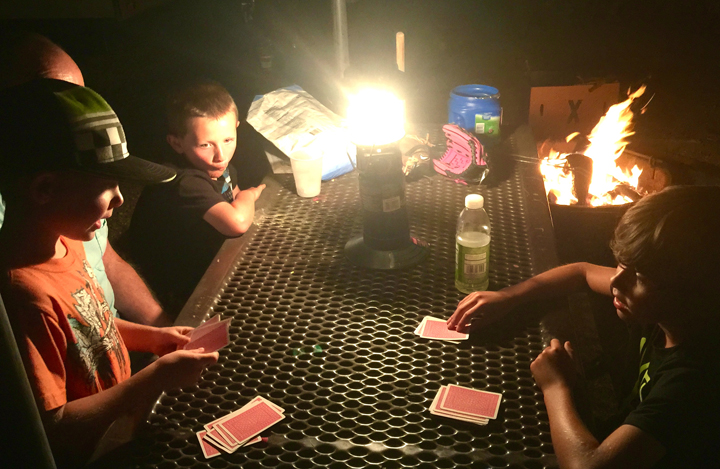 |
| Card game at Sterling Reservoir. |
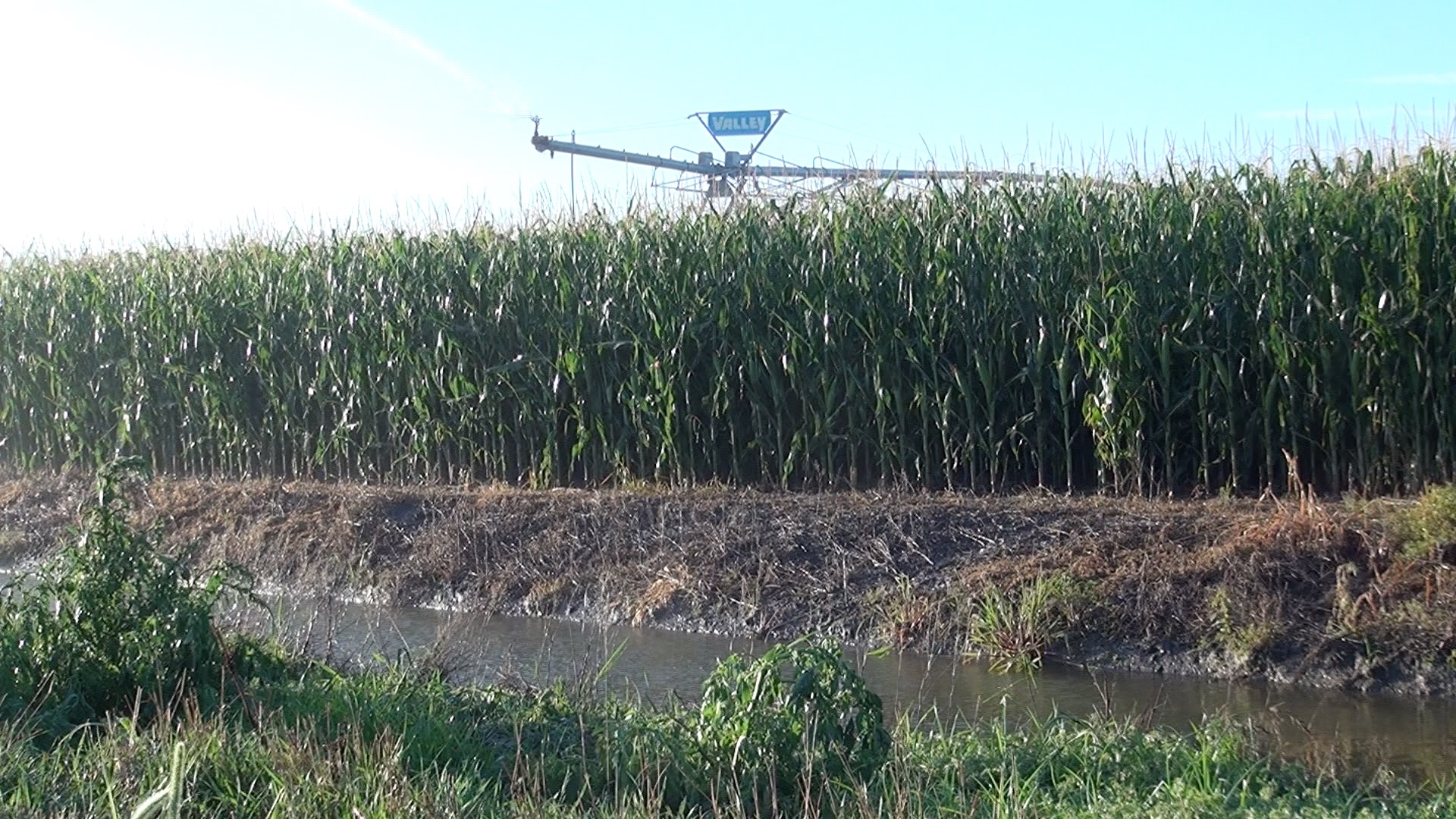 |
| Cornfield near Sterling, Colorado—irrigated with ditch water and center pivot. |
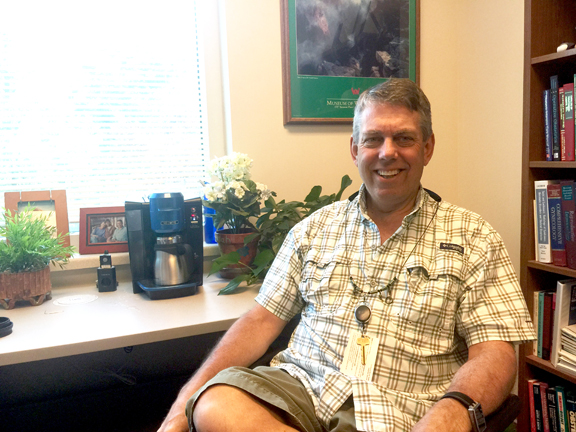 |
| Denver nature lover Dr. Kent Heybourne. |
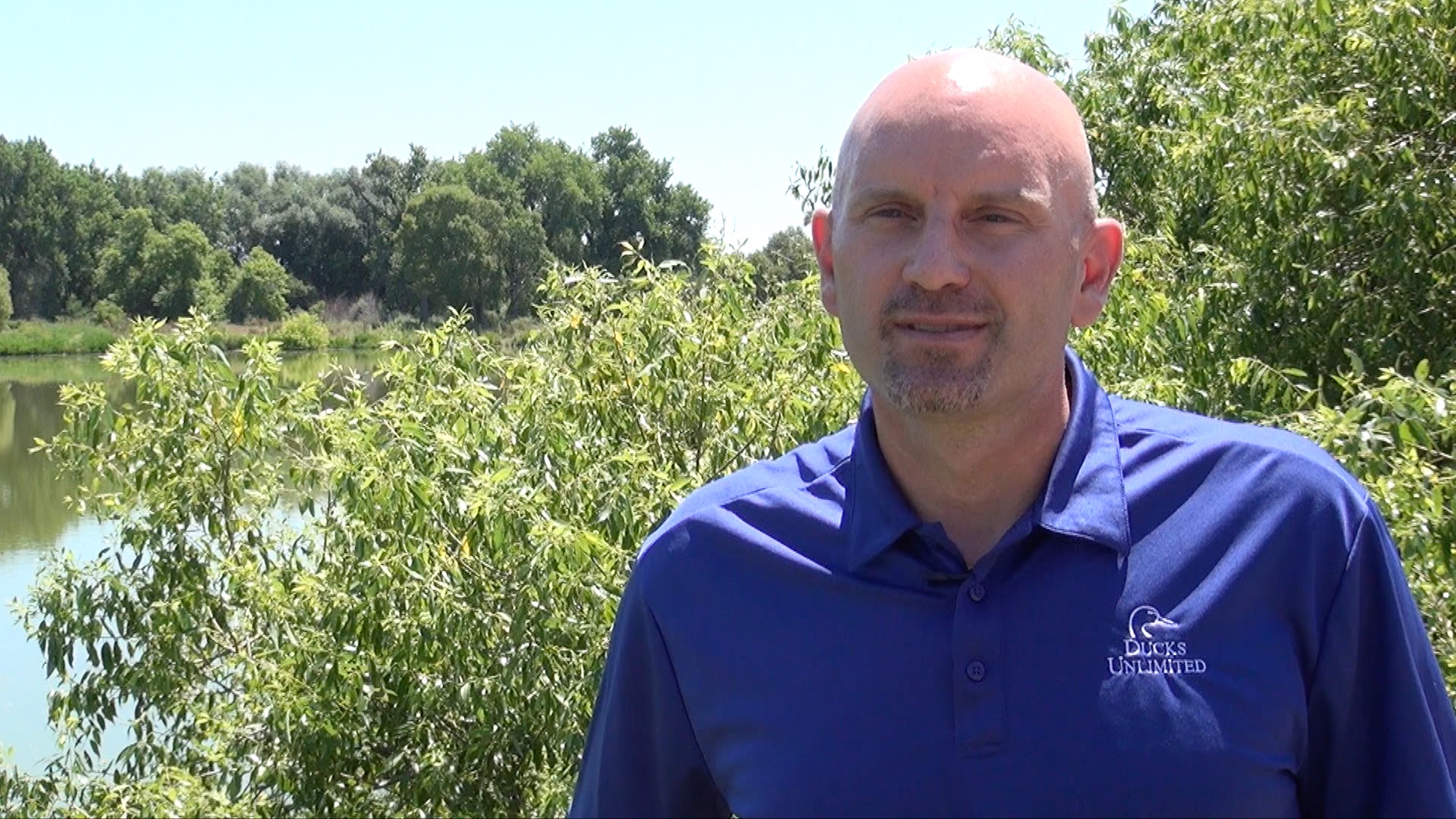 |
| Greg Kernohan with Ducks Unlimited. |
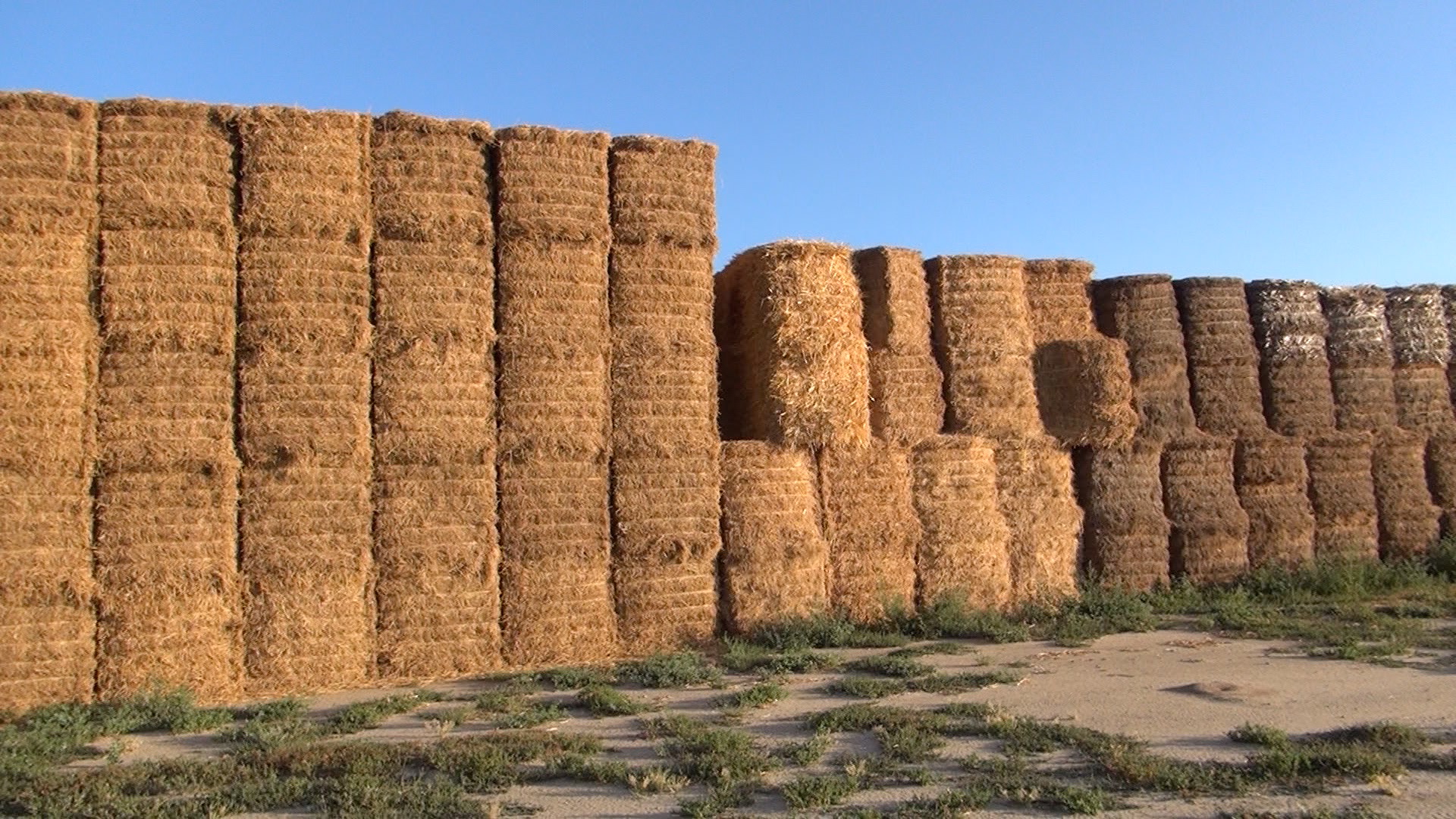 |
| Harvested hay near Sterling recharge ponds. |
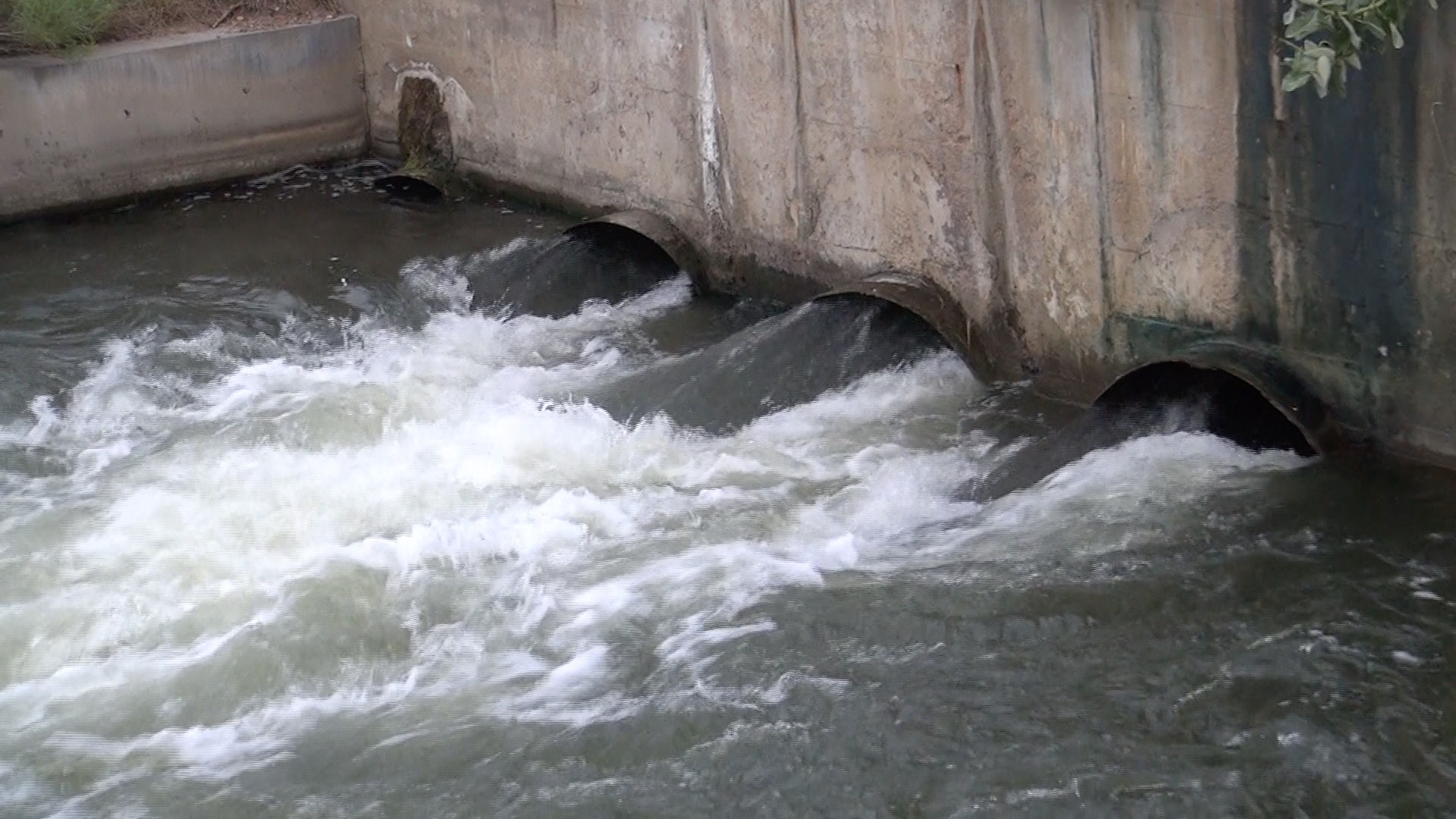 |
| Headwater gates at Sterling Reservoir. |
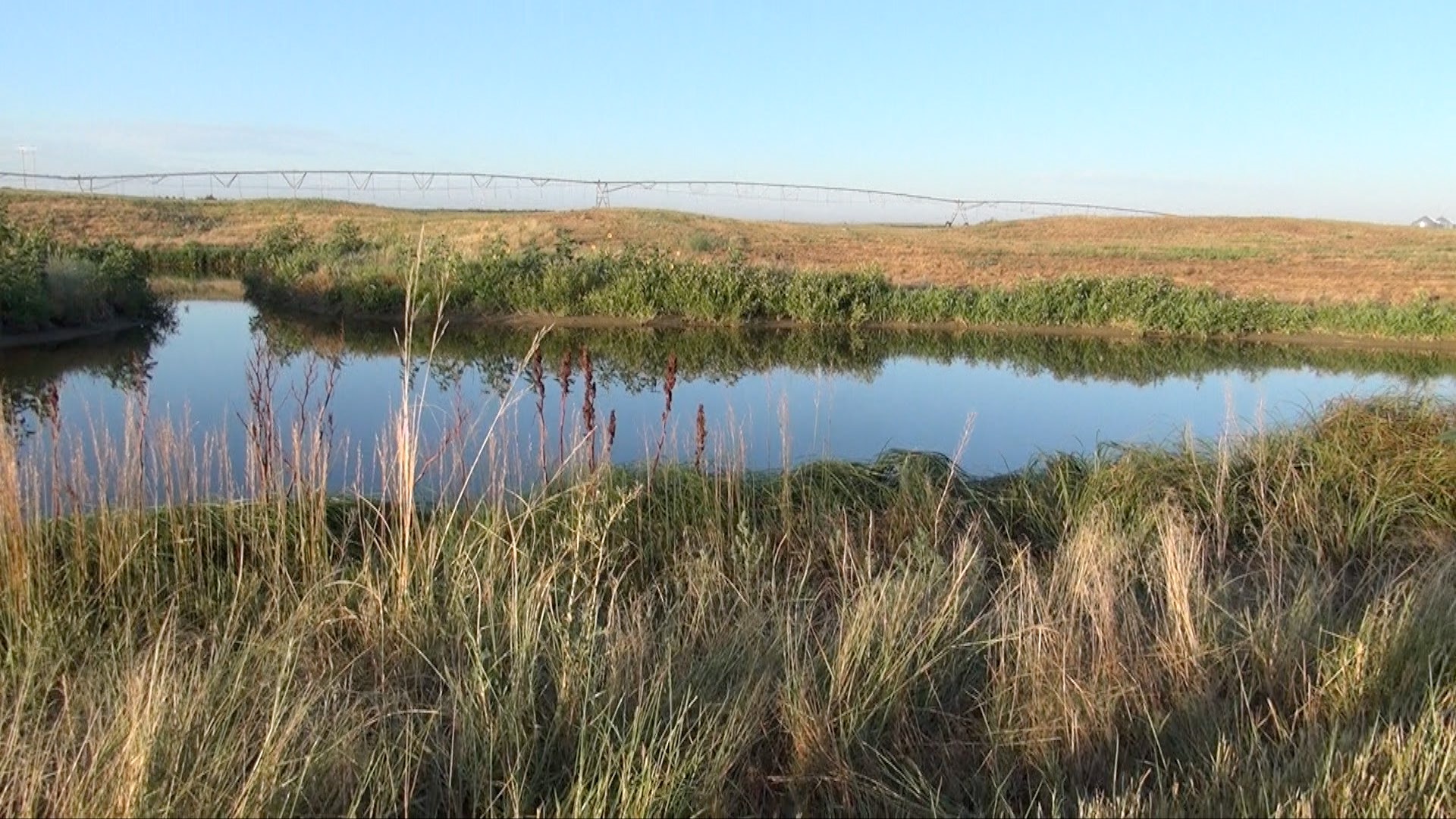 |
| Although recharge ponds are mostly dry in the summer, during this wet summer of 2015, this recharge pond near Sterling still holds water. |
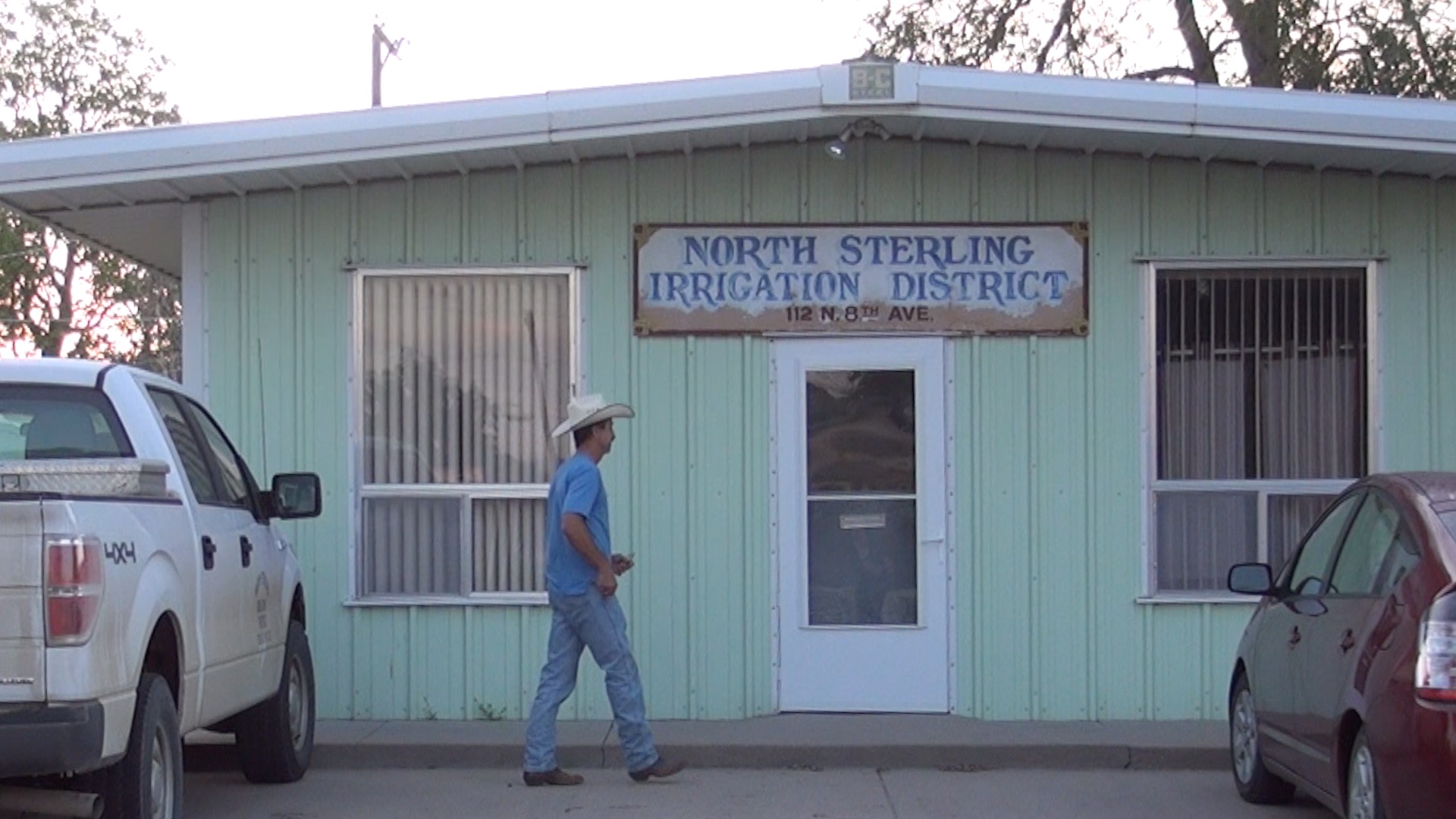 |
| Jim Yahn at North Sterling Irrigation District. |
 |
| Jim Yahn measuring to adjust reservoir flow. |
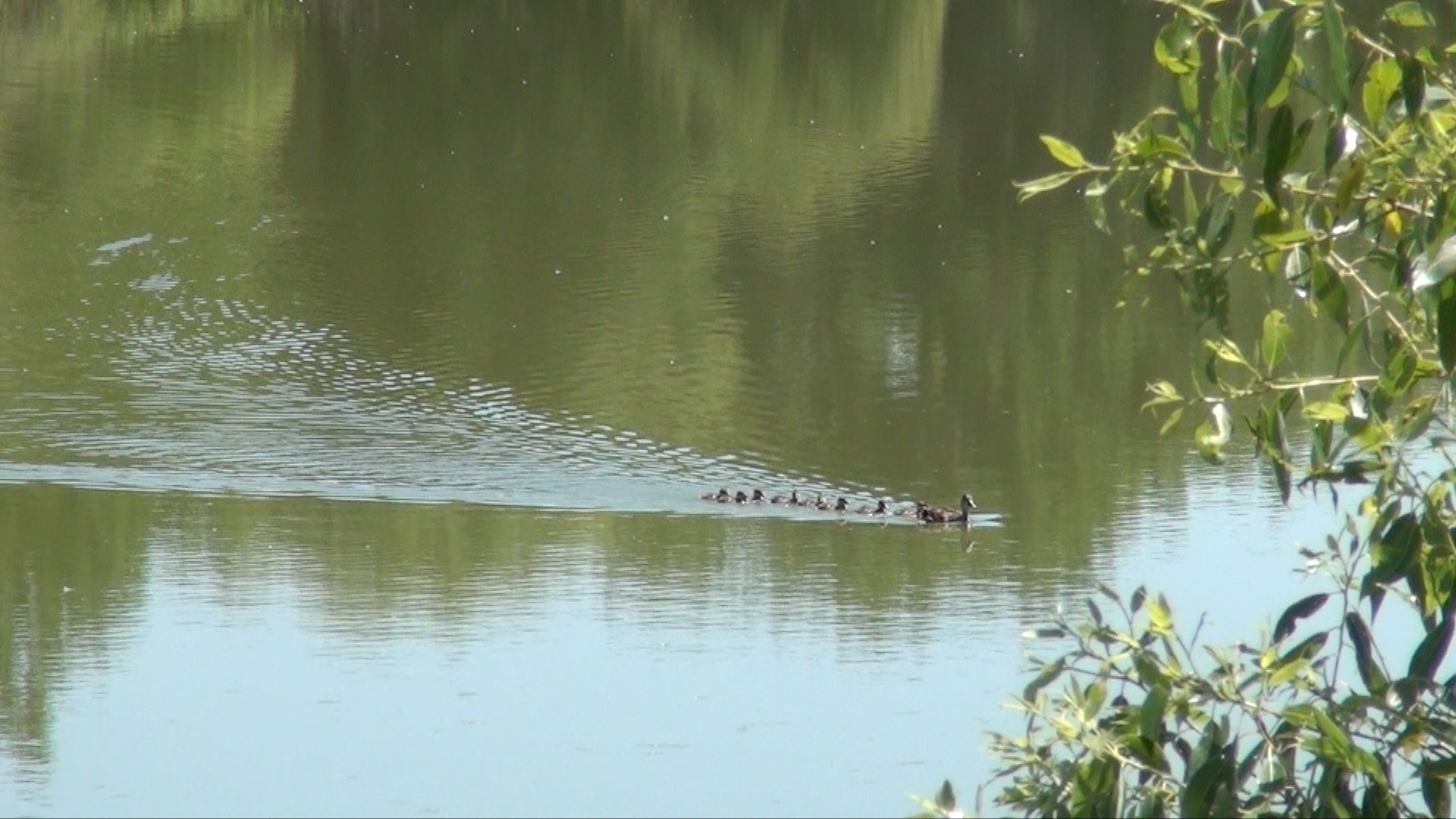 |
| Mallard mother with ducklings near the Ducks Unlimited office in Fort Collins, Colorado. |
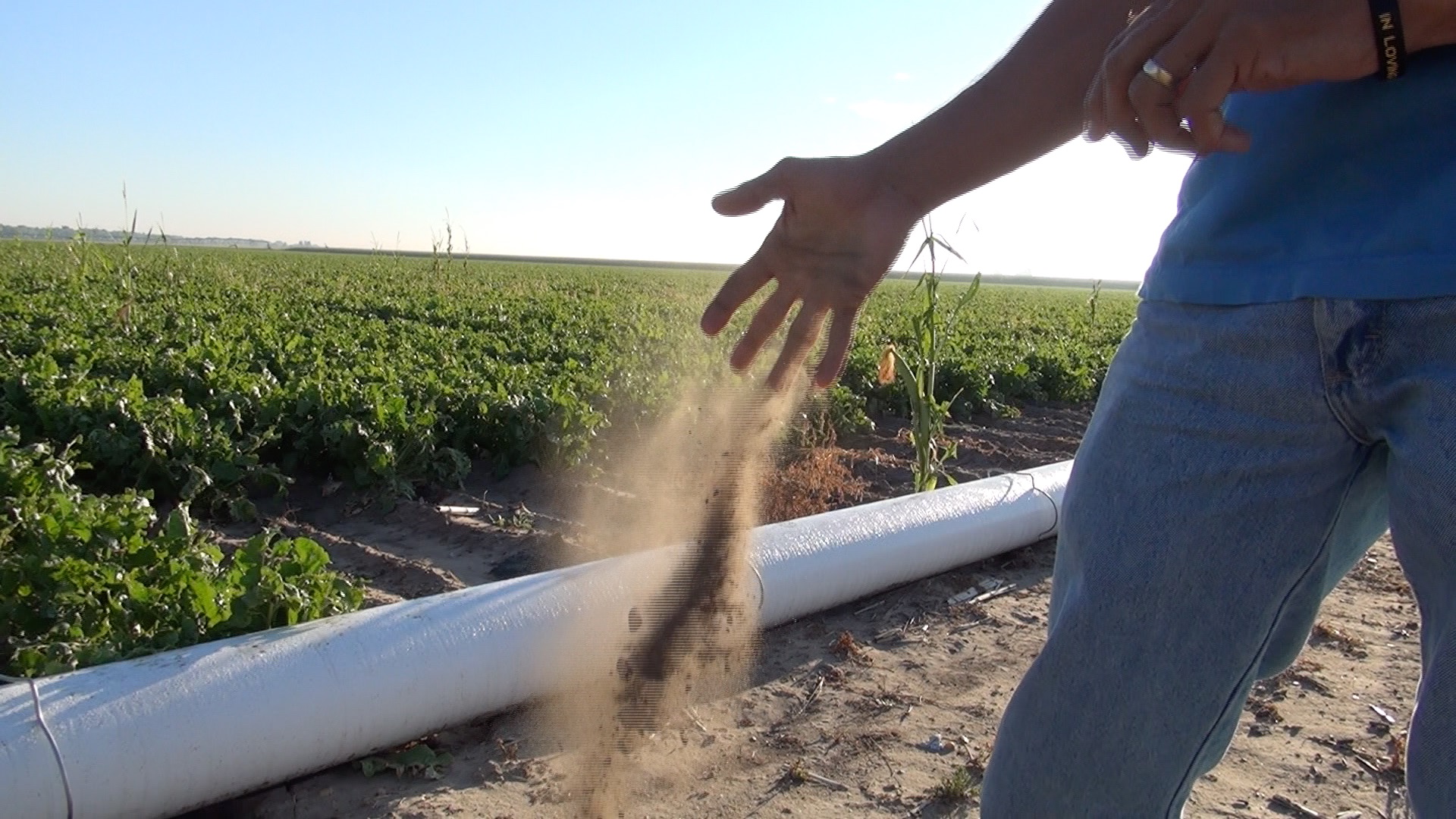 |
| Sandy soil is good for recharge ponds. |
Connecting the Drops Partners
Connecting the Drops is a radio collaboration between the Colorado Foundation for Water Education and Colorado Community Radio Stations KGNU, KDNK and KRCC.


Support for 2016 programming comes from CoBank